When and Why You Should Factory Reset Your Chromecast: Your Ultimate Guide
Your Chromecast is usually a silent workhorse, effortlessly beaming your favorite content from phone to TV. But what happens when it starts acting up? Lagging, freezing, refusing to connect, or simply becoming unresponsive? Before you resign it to the tech graveyard, there's a powerful tool in your arsenal: the factory reset. Understanding the Reasons and Benefits: When and Why to Factory Reset Your Chromecast isn't just about troubleshooting; it's about reclaiming control over your streaming experience and protecting your digital privacy.
Think of a factory reset like hitting the "reboot" button on your entire Chromecast's digital life. It wipes the slate clean, removing all personal data, saved Wi-Fi networks, preferences, and Google account information, returning the device to its out-of-the-box state. This isn't a casual action, but it's often the most effective solution for a range of frustrating issues.
At a Glance: When and Why to Reset Your Chromecast
- Troubleshooting: Essential for resolving persistent performance problems like freezing, buffering, slowness, or chronic connection drops that other fixes haven't solved.
- Privacy: Crucial for safeguarding your personal data before selling, gifting, or disposing of your device.
- Fresh Start: Ideal for moving the device to a new home, reconfiguring it with different network settings, or simply clearing out accumulated digital clutter.
- Security: Can help resolve unusual software glitches or unresponsive behavior that might stem from corrupted settings.
The Big "Why": When a Clean Slate Is Your Best Bet
A factory reset isn't the first step in every troubleshooting scenario (we'll cover alternatives shortly), but it's often the most definitive. Here are the primary scenarios where reaching for that reset button makes perfect sense:
1. Battling Stubborn Performance Issues
Is your Chromecast constantly buffering despite a strong Wi-Fi signal? Does it freeze in the middle of a show, or does the interface feel sluggish and unresponsive? Over time, accumulated data, corrupted cache, or minor software conflicts can drag down performance. While a simple reboot can sometimes help, a factory reset performs a deeper cleanse, eliminating these underlying issues and often restoring your device to its original snappy performance. It's like defragging a hard drive for your streaming stick.
2. Resolving Persistent Connection Problems
Few things are more frustrating than a Chromecast that refuses to connect to your Wi-Fi or drops its connection sporadically. Maybe you've changed your router, updated your network password, or the device simply won't play nice with your existing setup. A factory reset forces the Chromecast to forget all past network configurations, allowing you to set it up again from scratch, often resolving those stubborn Wi-Fi handshake issues.
3. Preparing for a New Home or Owner
This is perhaps the most critical reason for a factory reset, especially concerning personal privacy. If you're selling your Chromecast, giving it to a friend, or even moving it to a different household within your family, a factory reset is non-negotiable. Your Chromecast stores sensitive information: your Google account details, Wi-Fi passwords, viewing history, and potentially linked smart home devices. Without a reset, this data could be accessible to the next user, posing a significant privacy risk. Before parting ways with any smart device, especially one tied to your digital identity, understanding the importance of preparing electronics for sale goes beyond just cleaning the outside.
4. Clearing Out Digital Clutter and Corrupted Settings
Just like your phone or computer, your Chromecast gathers data over time. While much of this is harmless, certain cached files or preference settings can become corrupted, leading to unexpected behavior or system instability. A factory reset acts as a complete digital detox, flushing out all temporary files, clearing the cache, and restoring all settings to their default. This can be particularly beneficial if your device is behaving erratically without a clear cause.
5. Addressing Deep-Seated Software Glitches
Sometimes, your Chromecast might encounter a software bug or a minor operating system corruption that a simple restart can't fix. The device might boot into an odd state, refuse to respond to commands, or display unusual error messages. In these situations, a factory reset essentially reinstalls the core software environment, eliminating the corrupted elements and giving the device a clean operational slate. It's a last resort for software-related ailments that other remedies can't touch.
What Exactly Happens During a Factory Reset? A Deeper Dive
When you perform a factory reset, you're not just restarting your device; you're fundamentally altering its state. Here's a breakdown of what gets wiped and what returns:
- Google Account Data: All linked Google accounts are removed. This means your personal profile, payment methods, and any other data associated with your Google identity are detached from the device.
- Wi-Fi Credentials: All saved Wi-Fi network names and passwords are erased. You'll need to re-enter these during the setup process.
- Device Preferences: Any custom settings you've applied, such as ambient mode preferences, language settings, device name, or parental controls, are reset to their original defaults.
- App Data (Chromecast with Google TV): For Chromecast with Google TV, all installed apps and their associated data (logins, settings, history) will be deleted. The device will revert to its default pre-installed apps.
- Personalization: Your viewing history, recommendations, and other personalized content suggestions tied to the device will be cleared, though your Google account itself retains this information for other devices.
Essentially, the device becomes "new" again, requiring you to go through the initial setup process as if you just unboxed it. This comprehensive wipe is why a factory reset is so effective for privacy and troubleshooting alike. It ensures that the device starts fresh, free from any lingering configuration issues or personal traces. Taking best practices for data privacy seriously means understanding these implications.
Deciding When It's Truly Time: Is Resetting Your Only Option?
Before you commit to a full factory reset, it's wise to exhaust simpler troubleshooting steps. After all, a reset means re-configuring everything from scratch, which takes time.
Consider these alternatives first:
- Simple Reboot: Unplug your Chromecast from its power source, wait 30 seconds, and plug it back in. This often resolves minor glitches.
- Restart Router: Sometimes, the issue isn't your Chromecast but your Wi-Fi network. Restarting your router can clear up network congestion or connectivity issues.
- Check Cables and Ports: Ensure your Chromecast is securely plugged into both the TV's HDMI port and its power source. Try a different HDMI port if available.
- Update Google Home App: Make sure your Google Home app (and your mobile device's operating system) is up to date. Outdated software can cause communication issues.
- Reinstall Google Home App: If the app itself seems buggy, try uninstalling and reinstalling it.
If you've tried these basic steps and your Chromecast is still misbehaving—freezing, disconnecting, or generally being unreliable—then it's likely time for a factory reset. This approach ensures you're not unnecessarily going through the setup process when a quicker fix might suffice. For more in-depth guidance on various common problems, you might want to look at troubleshooting common Chromecast issues before jumping to a reset.
Your Step-by-Step Guide to Factory Resetting Your Chromecast
There are three primary ways to factory reset your Chromecast, depending on the model and your situation. Choose the method that best suits your device and convenience.
Method 1: The Physical Button (Hard Reset) – The Universal Fix
This method works across all Chromecast generations, including the original 1st Gen, 2nd Gen, 3rd Gen, Chromecast Audio, Chromecast Ultra, and Chromecast with Google TV. It's the most reliable method, especially if your device is unresponsive or you can't access the Google Home app.
- Ensure Power: Make sure your Chromecast is fully plugged into both its power adapter and your TV's HDMI port. It needs to be powered on.
- Locate the Reset Button:
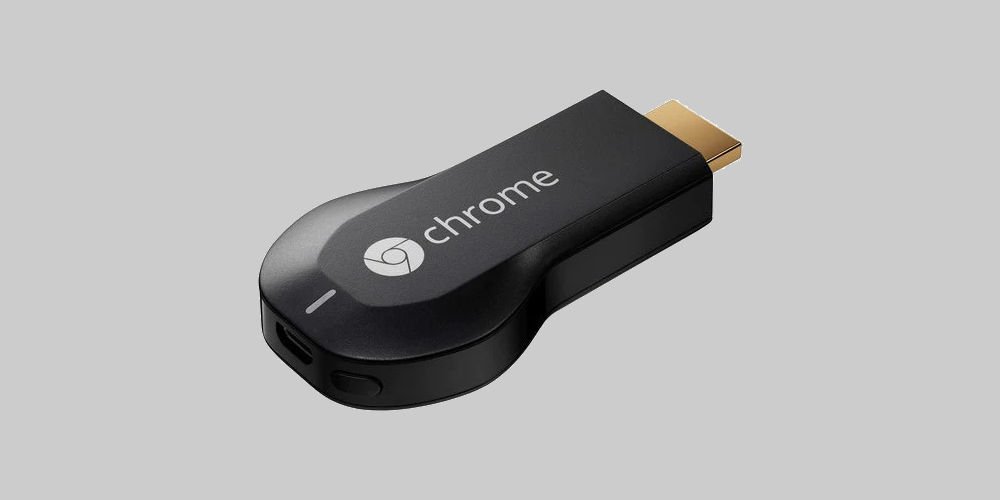
- Most Chromecast models (2nd Gen, 3rd Gen, Audio, Ultra): Look for a small, oval-shaped button located on the side of the device, usually near the micro-USB power port.
- Chromecast with Google TV: The reset button is typically on the bottom of the device, above the power port.
- 1st Gen Chromecast: The button is also on the side, near the micro-USB port.
- Press and Hold:
- For most Chromecast versions (2nd Gen, 3rd Gen, Audio, Ultra, Chromecast with Google TV): Press and hold the reset button firmly for approximately 10 seconds. You'll see the LED status light on the device begin to flash orange. Keep holding.
- For the 1st generation Chromecast: Hold the button for a longer duration, about 25 seconds, until the LED light flashes red.
- Release and Confirm: Continue holding the button until the LED light stops flashing and turns solid white (or solid red for 1st Gen, then solid white). Once the light is solid, release the button.
- Reboot: Your Chromecast will automatically reboot. You'll see the Google logo on your TV screen, followed by a factory reset animation. The device will then proceed to the initial setup screen, just like it did when you first took it out of the box.
Method 2: Through the Google Home App – The Digital Approach
This method is convenient if your Chromecast is still connected to your network and accessible via the Google Home app. It works for all generations that have been added to a "Home" in the app, and you don't even need your phone to be on the same Wi-Fi network as the Chromecast to initiate the reset.
- Open the Google Home App: Launch the Google Home app on your smartphone or tablet.
- Select Your Home: If you have multiple "Homes" configured, make sure you've selected the one where your Chromecast is located.
- Tap on Your Chromecast: Scroll through your list of devices and tap on the specific Chromecast you wish to reset. This will take you to its device detail page.
- Access Settings: In the top right corner of the device detail page, tap the gear icon (⚙️) to open the device settings.
- Find Factory Reset Option: Once in the settings menu, look for three vertical dots (⋮) in the upper right-hand corner. Tap these dots to reveal a context menu.
- Select "Factory Reset": From the context menu, tap "Factory Reset."
- Confirm: The app will prompt you with a confirmation message, warning you that all data will be erased. Confirm your decision.
- Reset Begins: The process will begin automatically. Your Chromecast will reboot, perform the reset, and then restart to the initial setup screen on your TV.
For a smooth experience, ensure your Google Home app is up to date. This digital method offers a quick way to manage your devices, and it's a key part of setting up your devices in the Google Home app from the start.
Method 3: For Chromecast with Google TV – Through System Settings
This method is specific to the Chromecast with Google TV, as it runs a full Android TV operating system with its own settings menu accessible directly on your TV screen.
- Access Home Screen: From your Chromecast with Google TV's home screen, navigate to the upper right-hand corner.
- Open Settings: Click on your Google account icon (your profile picture) or the settings icon (⚙️) if your account is disconnected.
- Navigate to System Settings: From the profile/settings menu, select "Settings".
- Find "About": Within the main settings menu, scroll down and select "System," then choose "About."
- Initiate Factory Reset: In the "About" menu, you'll see an option for "Factory Reset." Click on it.
- Confirm: A confirmation screen will appear, asking if you're sure you want to reset and erase all data. Confirm your choice.
- Reset and Reboot: The Chromecast with Google TV will then proceed with the factory reset, erase all data, and reboot to its initial setup screen.
Important Note for Chromecast with Google TV: After a factory reset using this method, you might need to re-pair your remote control with the device during the initial setup process. Follow the on-screen instructions if prompted.
Post-Reset Pointers: What to Do Next
Once your Chromecast has successfully performed a factory reset, it essentially becomes a brand-new device. You'll need to go through the initial setup process again to start streaming.
- New Setup: Follow the on-screen instructions on your TV, which will guide you through connecting to your Wi-Fi network, linking your Google account, and customizing basic settings. You'll typically use the Google Home app on your smartphone for this process.
- Re-Pair Remote (Chromecast with Google TV): If you have a Chromecast with Google TV, you might be prompted to re-pair its remote control. Just hold down the specified buttons (usually Home and Back) until the pairing process completes.
- Reinstall Apps (Chromecast with Google TV): For the Google TV model, you'll need to visit the Google Play Store on your device to reinstall your favorite streaming apps (Netflix, Hulu, Disney+, etc.) and log back into them.
- Customize Preferences: Re-establish your preferred ambient mode settings, privacy preferences, and any other customizations you like.
By understanding how to factory reset your Chromecast and the subsequent steps, you ensure a smooth transition back to seamless streaming.
Important Considerations & Lesser-Known Facts
While a factory reset is a powerful tool, it's worth being aware of a few nuances and limitations.
The 1st Gen Chromecast & Its Limitations
The original 1st generation Chromecast, released way back in 2013, still functions with many apps but no longer receives official Google support, security updates, or bug fixes. This means that while a factory reset might temporarily resolve performance issues, the device's overall performance may continue to decline over time, and it may eventually become incompatible with newer apps or features. If you're consistently battling issues with a 1st Gen device, it might be time to consider an upgrade.
Before You Sell or Gift: Prioritize Privacy
We've touched on this, but it bears repeating: always factory reset your Chromecast before selling, gifting, or even disposing of it. Your personal data, Google account info, and Wi-Fi credentials are too valuable to leave exposed. A factory reset is the only sure way to completely wipe this sensitive information from the device, protecting your privacy and preventing potential identity theft or unauthorized network access. It's a non-negotiable step for responsible device handling.
What a Factory Reset Doesn't Fix
It's important to set realistic expectations. A factory reset addresses software-related problems, corrupted data, and privacy concerns. However, it cannot fix hardware failures. If your Chromecast has suffered physical damage, experiences intermittent power issues due to a faulty port, or has internal component failures, a factory reset won't bring it back to life. In such cases, the device likely needs replacement.
FAQs – Quick Answers to Common Queries
How long does a factory reset take?
The actual reset process itself is quite fast, usually taking only a minute or two for the device to wipe its data and reboot. However, the subsequent initial setup process (connecting to Wi-Fi, linking Google account, etc.) can take an additional 5-15 minutes, depending on your network speed and how quickly you go through the steps.
Do I lose my apps on Chromecast with Google TV?
Yes, if you have a Chromecast with Google TV, a factory reset will erase all installed apps and their data. You'll need to reinstall them from the Google Play Store and log back into each app during the post-reset setup.
Can I undo a factory reset?
No, a factory reset is irreversible. Once you confirm the reset, all data is permanently erased and cannot be recovered. This is why it's crucial to be certain before proceeding.
Is it safe to factory reset my Chromecast often?
While not recommended for daily use, performing a factory reset when necessary (e.g., for persistent troubleshooting or privacy reasons) is perfectly safe and won't harm your device. It's a standard maintenance procedure designed to restore optimal functionality.
Does a factory reset update my Chromecast's software?
A factory reset primarily reverts your device to its default factory settings. While it might re-download the latest available firmware during the subsequent setup, its main purpose isn't to force a software update. If you're looking for updates, typically your Chromecast automatically downloads them in the background.
Empowering Your Streaming Experience
Knowing when and why to factory reset your Chromecast isn't just about technical know-how; it's about confidently managing your digital devices and safeguarding your privacy. Whether you're troubleshooting a frustrating freeze, preparing for a new setup, or simply performing some digital hygiene, the factory reset is a vital tool.
By understanding the process and its implications, you're empowered to keep your Chromecast running smoothly and securely, ensuring that your streaming experience remains as effortless and enjoyable as it should be. Don't let a sluggish or misbehaving device diminish your entertainment—take control with a confident reset, and get back to what matters: enjoying your content.